Maintaining commercial spaces is important for safety, appearance, and efficiency. A well-kept building can attract more clients, improve employee satisfaction, and reduce long-term repair costs. Regular maintenance prevents small problems from becoming expensive issues.
Businesses that follow consistent upkeep practices can save money and create a positive impression on visitors. The tips below provide practical steps to keep commercial spaces in excellent condition.
Repair Commercial Core Holes
Commercial buildings often need core holes for pipes, wiring, or other installations. Over time, these holes can weaken walls or floors if they are not repaired properly. Quickly repair commercial core holes prevents further damage and maintains structural integrity.
Filling the holes with suitable materials and ensuring a smooth finish also improves the building’s appearance. Routine inspection of core holes can help identify problems before they become serious.
Consider Gutter Cleaning
Gutters play a vital role in directing rainwater away from the building. Clogged gutters can lead to water damage on roofs, walls, and foundations. Regular gutter cleaning ensures water flows smoothly and prevents leaks or flooding.
Removing debris such as leaves and dirt keeps the system working efficiently. Businesses that schedule gutter cleaning at least twice a year can avoid costly water-related repairs. Proper maintenance of gutters also helps protect landscaping around the building.
Regular Floor and Carpet Care
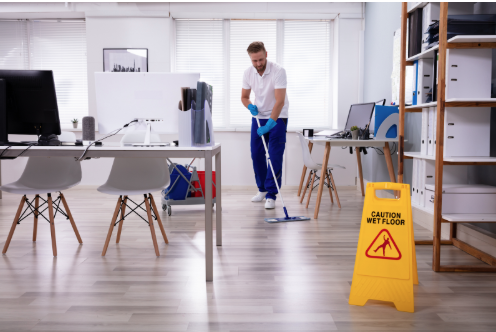
Floors and carpets in commercial spaces face heavy foot traffic every day. Dirt, spills, and wear can make floors look unprofessional and create safety hazards. Regular cleaning and proper care extend the life of floors and carpets. Using appropriate cleaning techniques prevents stains and damage.
Polishing hard floors and deep cleaning carpets can maintain a clean and welcoming environment. Businesses benefit from improved hygiene and a professional appearance when floors are well-maintained.
Inspect and Maintain HVAC Systems
Heating, ventilation, and air conditioning (HVAC) systems are essential for comfort in commercial spaces. Poorly maintained HVAC systems can lead to high energy bills and poor air quality. Regular inspection and maintenance, such as cleaning filters and checking for leaks, ensure systems work efficiently.
Scheduling seasonal check-ups can prevent breakdowns during extreme weather. Well-maintained HVAC systems provide a comfortable environment for employees and visitors while reducing energy costs.
Check Lighting and Electrical Systems
Proper lighting and electrical systems improve safety and productivity. Malfunctioning lights or exposed wires can create hazards. Routine inspection of lighting fixtures, switches, and wiring prevents accidents and ensures the space is well-lit.
Replacing old bulbs with energy-efficient options can lower electricity bills. Keeping electrical systems in good condition also supports smooth operation of office equipment and machinery. Businesses that maintain lighting and electrical systems create a safe and functional workspace.
Conclusion
Maintaining commercial spaces requires attention to multiple areas, from structural repairs to cleaning and systems upkeep. Repairing core holes, cleaning gutters, caring for floors, maintaining HVAC systems, and checking electrical systems are all essential tasks.
Regular maintenance improves safety, saves money, and enhances the overall appearance of the building. Businesses that invest time and effort into upkeep can create a professional environment that supports operations and leaves a positive impression on clients and employees alike.
